

Revealed: The QLDC conversation Skyline’s Richard Thomas tried to hide
 Share
Share
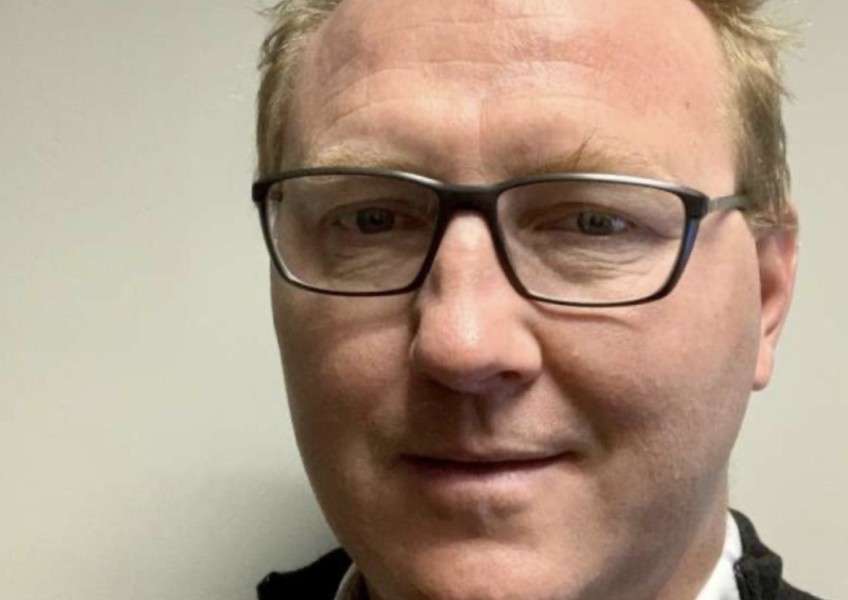
Crux heard details late last year of an unusual conversation initiated by Skyline heir Richard Thomas at a social function to mark the 40th birthday of Destination Queenstown – the official tourism organisation Mr Thomas chairs.
Initial reports were sketchy but involved claims that Mr Thomas had tried to convince QLDC elected members at the party that newly elected mayor John Glover should step down from the all-important Regional Deals negotiation committee.
The proposed government sponsored Otago Regional Deal involves potentially hundreds of millions of dollars’ worth of projects normally handled by local councils passing into the hands of private enterprise.
The information prompted an article from Crux that Mr Thomas then complained about to the NZ Media Council. That complaint is still in the process of being heard.
Since then, Crux has been given further details of what was said by Mr Thomas – and to whom – at the DQ party.
Councillor Jon Mitchell has told Crux that he was the elected member approached by Mr Thomas.
“I do recall that Richard suggested that Heath Copland would be a good representative on the regional deal joint committee, on the grounds he is an accountant.
“I think I recalled we need broad representation from the district, both upper Clutha and the Whakatipu, and that the mayor is required to be there because of the constituting agreement of the joint committee.
“I don’t recall if Richard was suggesting John Glover (mayor) or Quentin Smith (deputy mayor) weren’t right for the role.”
Deputy mayor Quentin Smith told Crux today (January 29) that the committee representation, already voted on by council, included mayor John Glover and himself. Mr Smith told Crux that his understanding was that it would take a vote of the Queenstown Lakes District Council to change that representation. The requirement is for the Mayor plus one other nominated elected member.
All of which suggests Mr Thomas crossed a line at the function by suggesting a “favoured alternate” be put on the Regional Deals committee, replacing the Deputy Mayor or the Mayor
An ORC amendment to the committee’s Memorandum of Agreement indicates that two councillors – without the mayor – could be possible but Quentin Smith says that this would also take a decision of the full Queenstown Lakes District Council.
But what makes the situation highly unusual is that Mr Thomas was so fervent in suggesting that this conversation never took place, that he approached Mayor Glover asking him to sign an affidavit to the effect that nothing was said by him to the mayor. It was Crux’ initial understanding that the conversation took place directly between Mr Thomas and Mayor Glover.
And the Media Council complaint from Mr Thomas also features this assertion, even though our published article does not specifically refer to the DQ conversation.
Now that we know the conversation was real (but with Councillor Mitchell) – and obviously shared by Councillor Mitchell with the mayor and fellow councillors – it adds more weight to the need for Mr Thomas to take his concerns through public and transparent channels – like the Queenstown Chamber of Commerce.
Why is he so secretive and sensitive about this conversation? So far as Crux is aware there’s no appetite, mechanism or requirement for Mayor Glover or Deputy Mayor Smith to stand down from the Regional Deals negotiation committee.
The affidavit request to Mayor Glover suggests Mr Thomas knows he has crossed an important line and adds weight to other reports that Crux is hearing from the community that both local National MPs have made their displeasure known regarding Mr Glover being elected.
Mr Thomas has refused to respond to Crux emails and texts asking for a further explanation from him.
It’s time for the business community, and our two local MPS, to get their act together, come out of the shadows and use channels like the Chamber of Commerce or their parliamentary offices, to raise any issues that they are concerned about – along with any reasoned, supporting arguments they may have.
Whispering campaigns and pressure at parties are not the way for democracy to play out especially with so much money and future policy at stake.
It would make sense for the Queenstown business community, and our MPs, to get on board with our newly elected council rather than trying to undermine the people we have voted for.
Not to do so will further damage their already tarnished “old school elite boys club” reputation.
We’ll leave the final words to Councillor Jon Mitchell.
“One of the real benefits of the regional deal is that QLDC, CODC and ORC are working much more closely together on understanding the shared needs, challenges and opportunities of what is increasingly one wider sub-regional community. We should be doing more of that. On the other hand, the government’s local government reforms have the potential of making that happen more than many would be comfortable with.
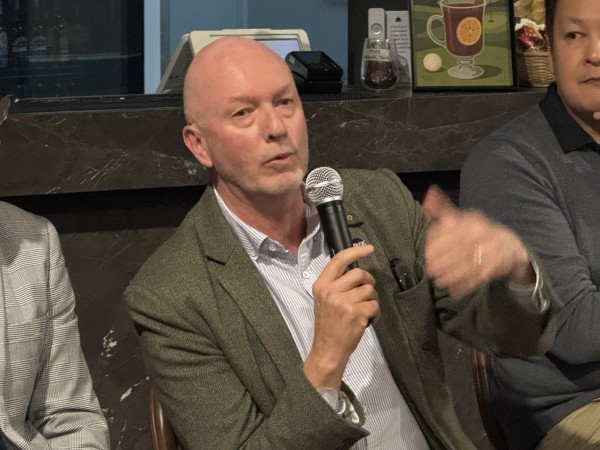
-
Councillor Jon Mitchell on the 2025 local election campaign trail.
“Meanwhile the fast-track proposals coming thick and fast in our district are making both our own long-term planning and the regional deal process even more difficult because of the lack of funding mechanisms to manage the increased demand for services and infrastructure they would bring.
“Southern Infrastructure’s enthusiasm for its cableway and hospital projects is laudable. However, their lack of consideration of actual regional-scale needs and consequences, playing-up benefits and not considering down-side consequences and risks means these initiatives are at best premature and not integrated into wider respective systems they would need to be to be successful. They also directly risk undermining funding, delivery and continuity of other programmes and services.
“An open and collaborative approach is essential in these and other critical regional infrastructure and services. The current approach by some is making that difficult as well.
“It would be ideal if the agencies who have statutory responsibility to strategically lead locally and regionally were once again allowed to do so, without expecting to be directed politically from Wellington through behind the scenes decision-making potentially unduly influenced by vested interests.
“Innovative projects can and must have a place in delivering on strategies, but projects that risk making the local situations worse need to be massaged to fit reality and actually improve access and outcomes.”
QLDC has provided the following additional comment and detail.
“The current QLDC members of the Otago Central Lakes Regional Deal Negotiation Committee (‘joint committee’) are Mayor John Glover and Deputy Mayor Quentin Smith. The original terms of reference (ToR) for the joint committee indicated that QLDC’s members would be the Mayor plus one other. Under these terms, Councillors confirmed Cllr Smith as the other member of the joint committee at the inaugural (QLDC) Council meeting on 30 October.
“The ToR were subsequently changed by the joint committee so that membership could be any two elected members. This was to accommodate ORC whose chair wished to delegate to other councillors.
“As part of the CE’s Report during the first ordinary Full Council meeting on 27 November, QLDC Councillors resolved to approve the updated terms of reference for the joint committee (i.e. two elected members from each council but not necessarily the mayor) and also resolved to “10. Reconfirm the Mayor and Councillor Smith as Queenstown Lakes District Council’s representatives to the Otago Central Lakes Regional Deal Negotiation Committee.”
“In addition, Council staff including CEs and members of the cross council working group are present at the meetings to support the committee members by presenting materials for discussion, but they are not members of the committee. Agendas and minutes of QLDC meetings are publicly available here.”


TOP STORIES