

Cromwell cherries: Dramatic fight against overnight rain damage
 Share
Share
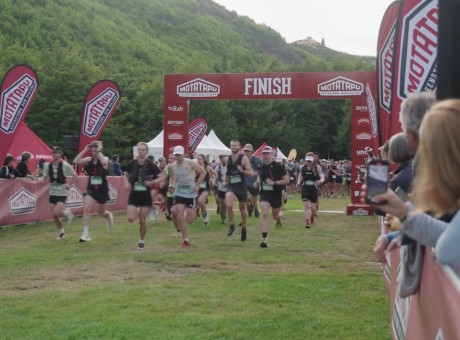
Orchardists in the Cromwell and Tarras areas have fought dramatic overnight rain damage using a combination of helicopters, covers and fans but the cost potentially could run into millions of dollars.
Cherry growers in particular were hit hard by 20 mm of rain around Cromwell and 30mm in the Tarras area. One grower, Mike Casey, told Crux this morning that he might lose one entire variety (of five) at a cost of between $100,000 and $200,000.
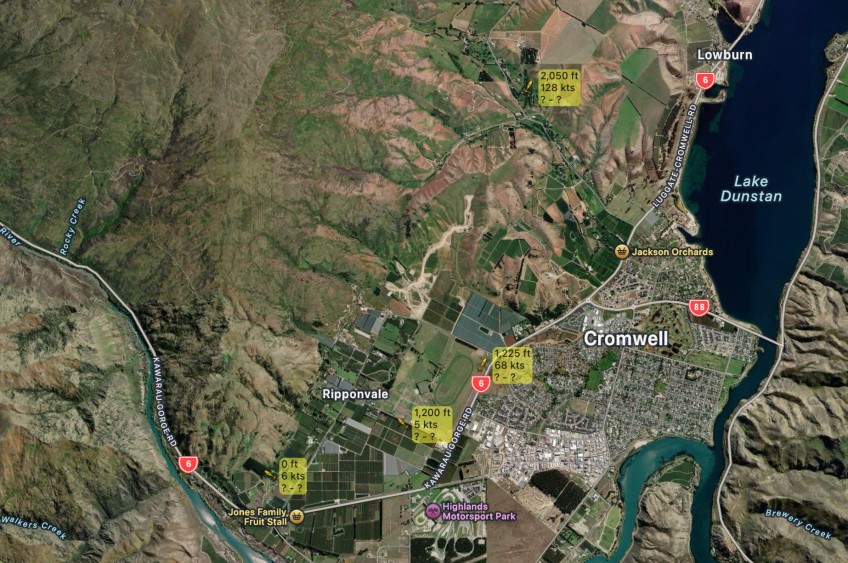
Around ten Queenstown helicopters flew into the area early this morning (main image, Flightradar24 - 6.00 am, January 2 ,2026) to help dry out saturated fruit trees. Mr Casey, who relies on electric/non-fossil energy, used his electric frost fighting fans, while others relied on large rain covers.
The heavy rain can damage cherry crops both directly and through trees absorbing too much water - both causing the cherry skins to split.
“In the next few day we'll know what the cherry splitting is looking like and then we'll know what the the sugar content of the cherries is” Mr Casey told Crux.
-
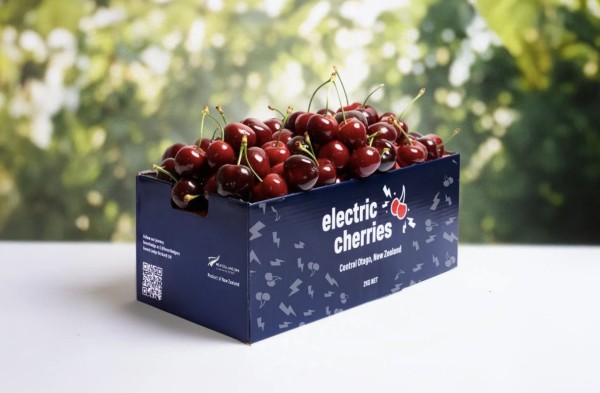
Mike Casey uses only non-fossil fuels in his cherry orchard.
“That affects the gate price and export value. The pessimistic side of me is that this probably means one of our five varieties is a write off. We're meant to be picking it today.”
Dean Smith, Chief Executive of industry body Summerfruit NZ, told Crux this morning that while serious, the overnight rain damage had probably been contained - by a thin margin.

-
Dean Smith, CEO of Summerfruit NZ.
“It looks like last night’s rain is not going to ruin this year’s exports, but it will have an impact. Many growers have protected themselves by using a number of different varieties.”
“Different varieties ripen progressively throughout the season. If you've got a lot of fruit that's ripe at the same time, then you're going be impacted. Whereas if it's still a week or two away from being ripe, then you're probably a little bit less exposed.”
“I guess the overriding message is that it’s an inherently risky industry and years of work can be taken away from you very quickly. It can be quite cruel.”


TOP STORIES