

Lakeweed control to begin at Lake Wānaka
 Share
Share
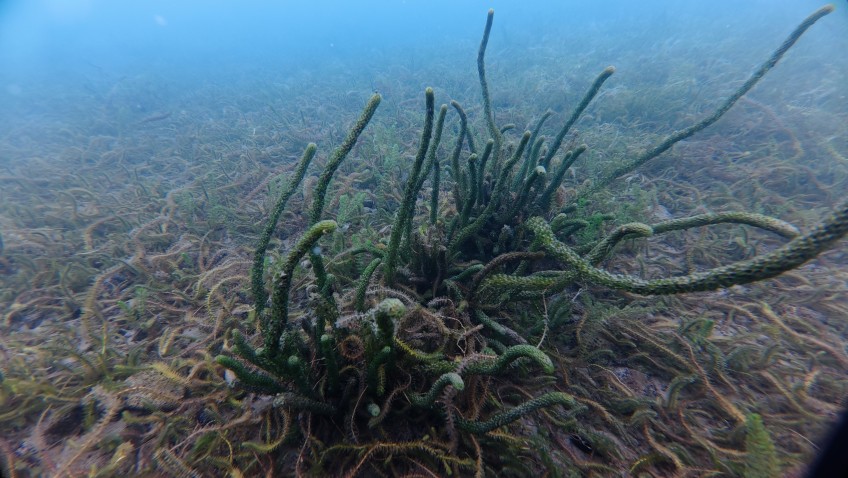
Work to manage the invasive lake weed lagarosiphon in Lake Wānaka will begin next week.
Toitū Te Whenua Land Information New Zealand (LINZ) is leading a targeted control programme with the long-term goal of eradicating the weed from the lake.
LINZ Leader Biosecurity Tracey Burton says dive teams will carry out surveillance in the cleared eradication zone, focusing on high-risk areas where lagarosiphon may attempt to reinvade. This includes the recently expanded eradication zone including Paddock, Parkins, Glendhu and Damper Bays, which were declared free of lagarosiphon late last year.
"Clearing invasive weed from these areas is a significant achievement, but maintaining those gains requires ongoing vigilance,” says Burton.
"Divers will be checking to make sure there are no stray plants trying to re-establish in the cleared areas. Even a single plant left unchecked can undo decades of control work.”
Lagarosiphon spreads easily - just a fragment the size of a fingernail can lead to a new infestation. Once established, it forms tall, dense weed beds that can overtake lakes, choke waterways, smother native plants, and interfere with swimming, fishing, and boating.
Lake Wānaka is one of two locations where LINZ has been trialling wool matting alongside traditional hessian matting to smother invasive weeds. LINZ biosecurity partner Boffa Miskell began trialling the wool mats in 2024, as part of ongoing innovation in lake weed control.
"We have seen some promising early results from the wool matting and we’re optimistic about its potential,” says Burton.
"As trials continue, we’ll be assessing whether it could become a suitable alternative to hessian in the future.”
The control programme in Lake Wānaka is funded by LINZ, Otago Regional Council and Queenstown Lakes District Council, with support from the Lake Wānaka Aquatic Weed Management Committee.
The community also plays a vital role in protecting the lake and surrounding waterways by remembering to Check, Clean, and Dry their gear - three simple steps that greatly reduce the spread of invasive species.


TOP STORIES